
Tree Removal & Stump Grinding in Canton, Ohio
Taking a tree down is the last option, not the first one. A mature tree took thirty or forty years to get where it is, it is doing real work for the property, and once it is on the ground that is permanent. So before I quote a removal I walk the tree and tell you honestly whether it needs to come out at all. Plenty of trees people have already decided to remove turn out to need pruning, cabling, or a drainage fix instead.
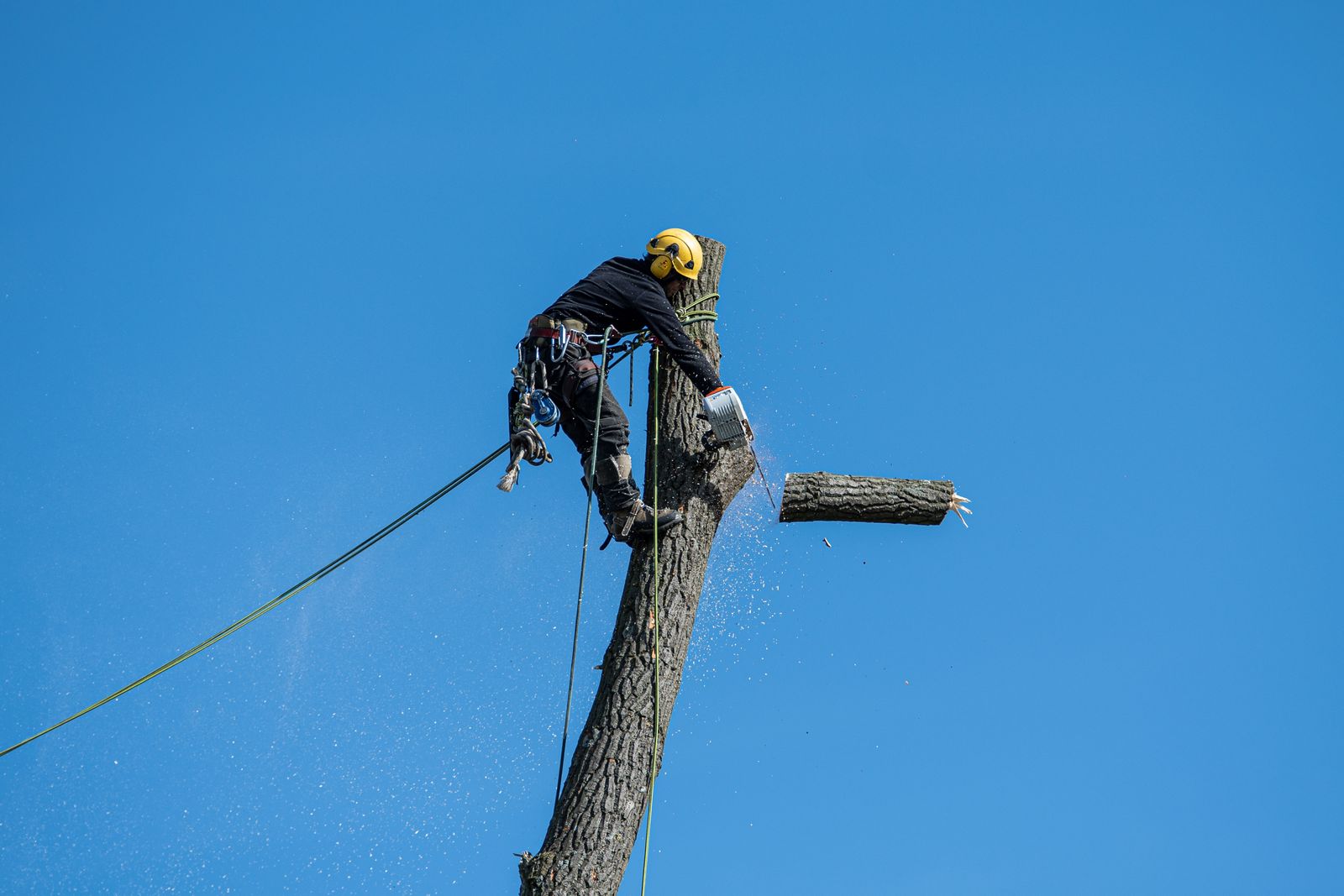
When a tree does need to come out, it needs to come out properly. Removals go wrong in the same few ways every time: a bad read on which way the lean actually pulls, no rigging on a limb hanging over a roof, or a crew working a stem that is already hollow and does not hinge the way sound wood does. I take them down in a controlled way, in pieces when the drop zone is tight, and the property gets cleaned up before I leave.
When a Tree Actually Needs to Come Down
These are the situations where removal is usually the right call rather than a judgment call:
- The trunk is hollow or the base is soft. Tap it and it sounds like a drum, or a screwdriver sinks into the root flare. A tree can hold a lot of canopy over a lot of rot and still look fine from the street, right up until a storm finds it.
- Fungus at the base. Shelf fungus or mushrooms coming out of the root flare or lower trunk means decay is already established inside the wood, not on it.
- It is dead, or more than about half dead. Ash trees across Stark County are the obvious case. Dead ash goes brittle fast, and a brittle tree is far more dangerous to take down next year than it is this year.
- A new lean, or heaved soil on one side. A tree that has always leaned is usually fine. A tree that started leaning, or that has cracked ground lifting on the opposite side of the lean, is a root plate that is failing.
- Major limbs over the house, and no good way to prune out of it. Sometimes the structure is just wrong for the spot it is in.
- Big cracks or a split crotch. A vertical crack in the trunk or a V-union that has started to separate is a tree in the process of coming apart on its own schedule.
- It is in the way of what you are building. Patios, additions, driveways, new drainage. Better to deal with it before the concrete goes in than after.
If you are not sure which category your tree falls into, that is exactly what a free assessment is for.
Emergency & Storm Damage Tree Removal
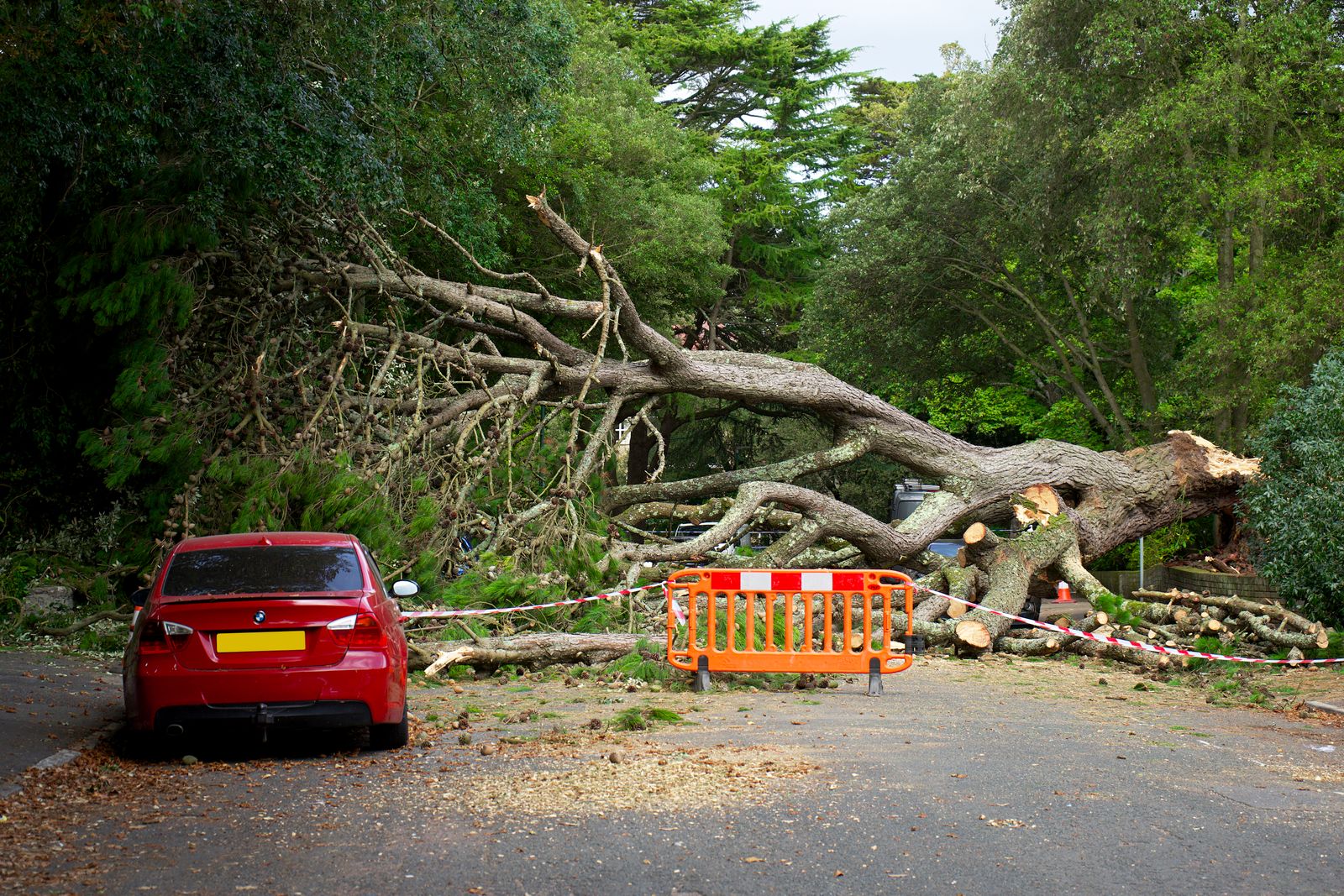
I take emergency calls. Northeast Ohio gets its share of straight-line wind in summer and ice loading in winter, and both drop limbs on things people need back — a driveway, a garage, a roof, a fence, the only way out of the property.
Storm work is different from planned removal. The wood is under load in ways it was not designed for: limbs bent and pinned, trunks half-hinged, and tension stored in places that let go the moment you cut in the wrong order. That is the part homeowners get hurt doing themselves with a chainsaw the morning after a storm. If a tree or a limb is down on your property and you are not certain it is stable, leave it and call.
One thing to know before you call anyone: after a big storm this area fills up with out-of-town crews going door to door. If someone knocks, ask where they are based and how you reach them next month. I am ten minutes from Canton and I am still here in the spring.
Stump Grinding
I grind stumps, and on most removals it makes sense to do it in the same visit rather than leaving you with a stump to deal with later.
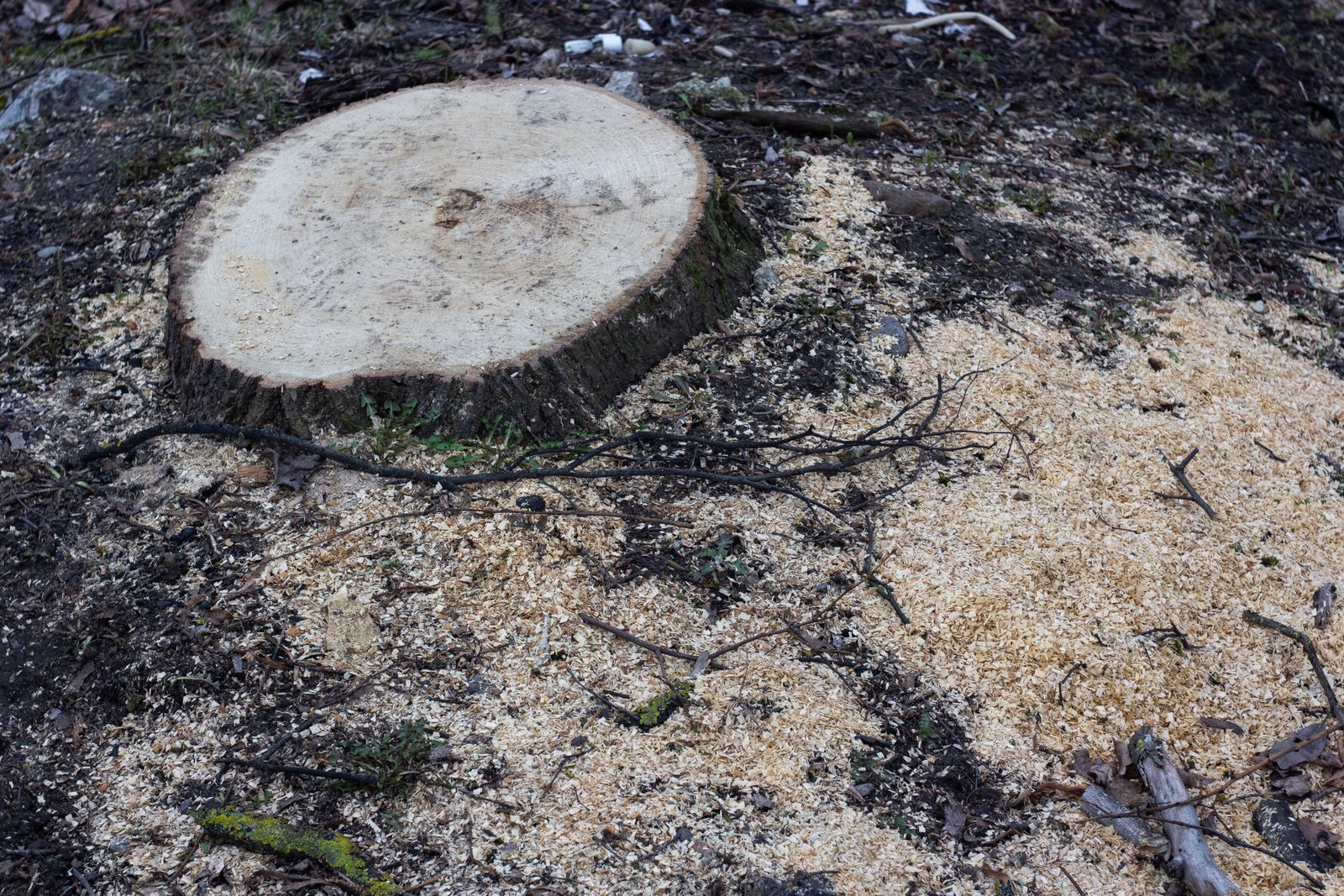
Grinding takes the stump below grade rather than digging it out, which means the surrounding lawn and beds stay intact. How deep is worth deciding up front and depends on what is going there next. A few inches down is enough if the spot is just going back to lawn. If you are planting a new tree in roughly the same place, putting in a bed, or laying a patio over it, it needs to go deeper and the grindings need to come out, because a pile of decomposing wood chips makes terrible soil for anything you want to grow and terrible base for anything you want to build.
Grindings can be hauled away or left on site and used as mulch, whichever you prefer. Tell me what the area is going to become and I will grind it to suit.
How a Removal Actually Goes
- On-site assessment. I look at the tree, the lean, the condition of the wood at the base, what is underneath it, and how equipment gets in and out. Free, and you get a straight answer about whether it needs to come down.
- A written price before anything starts. Removal, cleanup, and grinding if you want it, so you know what you are agreeing to.
- Utilities and access. Overhead lines, underground service, gates, and where the chips and wood are going.
- Controlled takedown. Open ground and a clean drop zone means it can come down in large sections. A tight yard with a house, a fence, and a neighbor close by means it comes down in small pieces, rigged and lowered.
- Cleanup. Brush chipped, wood cut and stacked or hauled, and the ground raked out. You should not be able to tell where we walked.
- Stump ground to the depth the next use of that spot calls for.
I run my own equipment and bring in specialized machinery when a particular job calls for it, so access and reach do not decide how the tree comes down.
What Affects the Cost of a Tree Removal
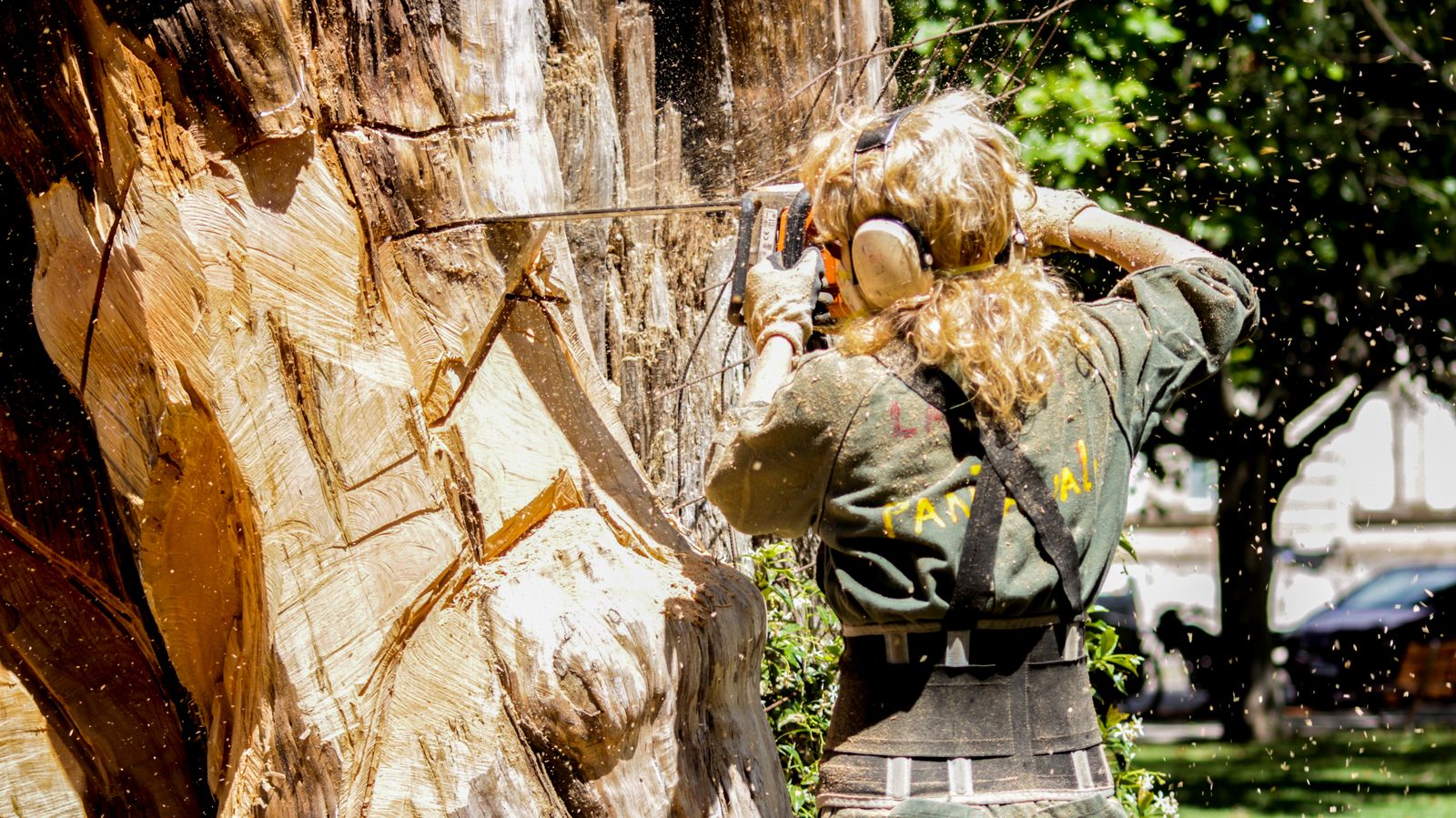
Nobody can price a removal off a phone call, and you should be wary of anyone who tries. Two trees the same height in two different yards are not the same job. These are the things that actually move the number:
- Height and trunk diameter. The obvious one, and the least important of the four.
- What is underneath it. A tree in an open back field comes down in a few big cuts. The same tree over a roof, a deck, a fence line and a neighbor’s driveway has to come down a piece at a time on ropes. That is the single biggest cost driver in residential work.
- Access. Whether equipment can reach the tree, or whether every piece of that tree gets carried out by hand through a gate.
- Condition. Sound wood is predictable. Dead, hollow or storm-damaged wood is not, and it has to be worked more carefully and more slowly.
- What you want left behind. Wood cut to length and stacked for a fireplace costs less than everything hauled off the property. Stump grinding is priced separately.
Estimates are free. I will walk the property, look at the actual tree, and give you a written price before any work is scheduled.
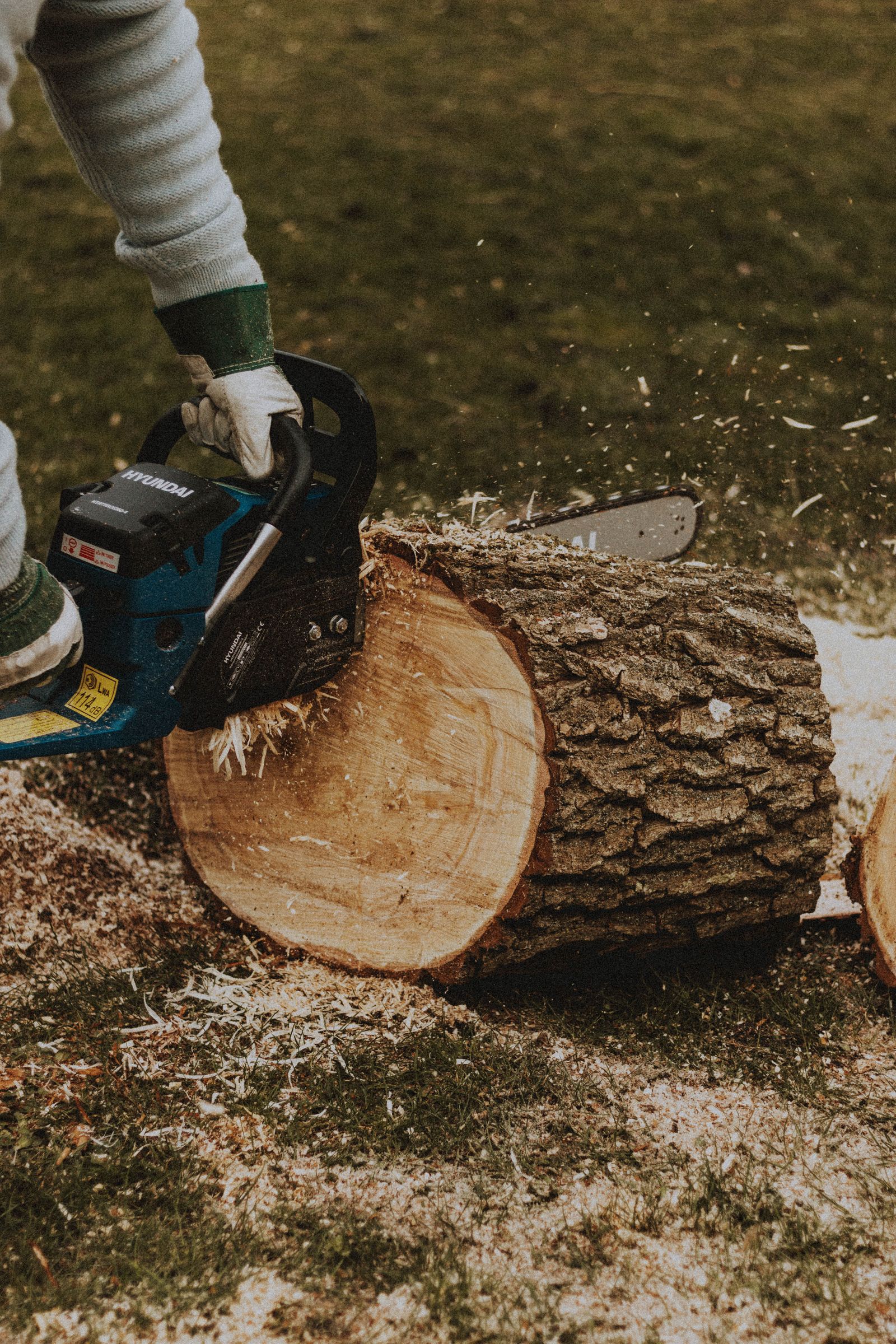
Serving Canton, North Canton, Louisville & Stark County
I am based in Louisville, Ohio and run tree work across Stark County — Canton, North Canton, Louisville, Massillon, Alliance, Canal Fulton and Green — and north into Summit County for larger jobs. Same crew, same equipment, same phone number that gets answered.
Tree work usually comes alongside something else. If the tree is coming out as part of a bigger change to the property, I also handle tree, hedge and shrub trimming, yard cleanups and leaf removal, landscape design and replanting — so the spot where the tree was does not sit bare.
Frequently Asked Questions About Tree Removal
Do I need a permit to remove a tree in Canton?
For a tree on private property, usually not. Trees in the tree lawn between the sidewalk and the street are often the city’s, not yours, and rules vary between Canton, North Canton, Louisville and the townships. If there is any question about where the tree actually sits, check with your municipality before it comes down — and I will tell you when I think that call is worth making.
What time of year is best for tree removal?
Late fall through winter is easiest. The leaves are off so the structure is visible, the canopy is lighter, and frozen ground means equipment does far less damage to the lawn. A hazardous tree is the exception — that comes down whenever you find it, in whatever season.
Will removing the tree wreck my lawn?
Some marking is normal where equipment and heavy wood travel. Frozen or dry ground makes it minimal, saturated ground makes it worse, and I will tell you if waiting a week for the ground to dry out is the better move. Anything that does get torn up gets raked out, and reseeding is available.
My neighbor’s tree hangs over my yard. Can I have it removed?
In Ohio you can generally trim branches back to the property line, but the tree itself belongs to whoever owns the ground the trunk stands on — so removing it is their decision, not yours. If the tree is genuinely hazardous, the conversation to have is with your neighbor first. I am happy to look at it and tell you what I see either way.
Do you take the wood away?
Your choice. Brush gets chipped, and the wood can be hauled off or cut to firewood length and stacked wherever you want it. Say so up front and it gets priced that way.
Is the stump included?
Grinding is priced separately from removal, but it is usually cheaper to do it in the same visit than to bring the machine back later.
Get a Free Tree Removal Estimate
If you have a tree you are worried about, the assessment is free and it costs you nothing to find out where you stand. If it needs to come down I will tell you. If it does not, I will tell you that too.
Call or text (330) 904-4196 now for your free tree removal estimate. For storm damage, call — do not use the form.
Or fill out the estimate form and I will respond the same day, usually within hours.
Fili Property Maintenance · (330) 904-4196 · info@filipropmaint.com
5928 Mann St NE, Louisville, OH 44641
Open 7 Days, 7:00 am – 7:00 pm · Rated 4.9 stars across 140+ Google reviews